

Public Health in Alberta and Settler Colonialism as a Structure, 1919-71
During the interwar period, the Alberta government established several public health programs to support its growing rural population. This presentation explores which populations the provincial government considered as the public worthy of receiving such care, and to which areas of the province the government extended said services. In doing so, it demonstrates how the provincial government prioritized settler communities, particularly the infants and children of settler communities, in strategic locations.
Building on the work of Patrick Wolfe, this presentation shows how two rural public health programs in particular – the District Nursing Program and Full-Time Health Units – operated as part of the structure of settler colonialism, whereby these programs contributed to a system that supported the establishment and naturalization of settler presence on prairie land.
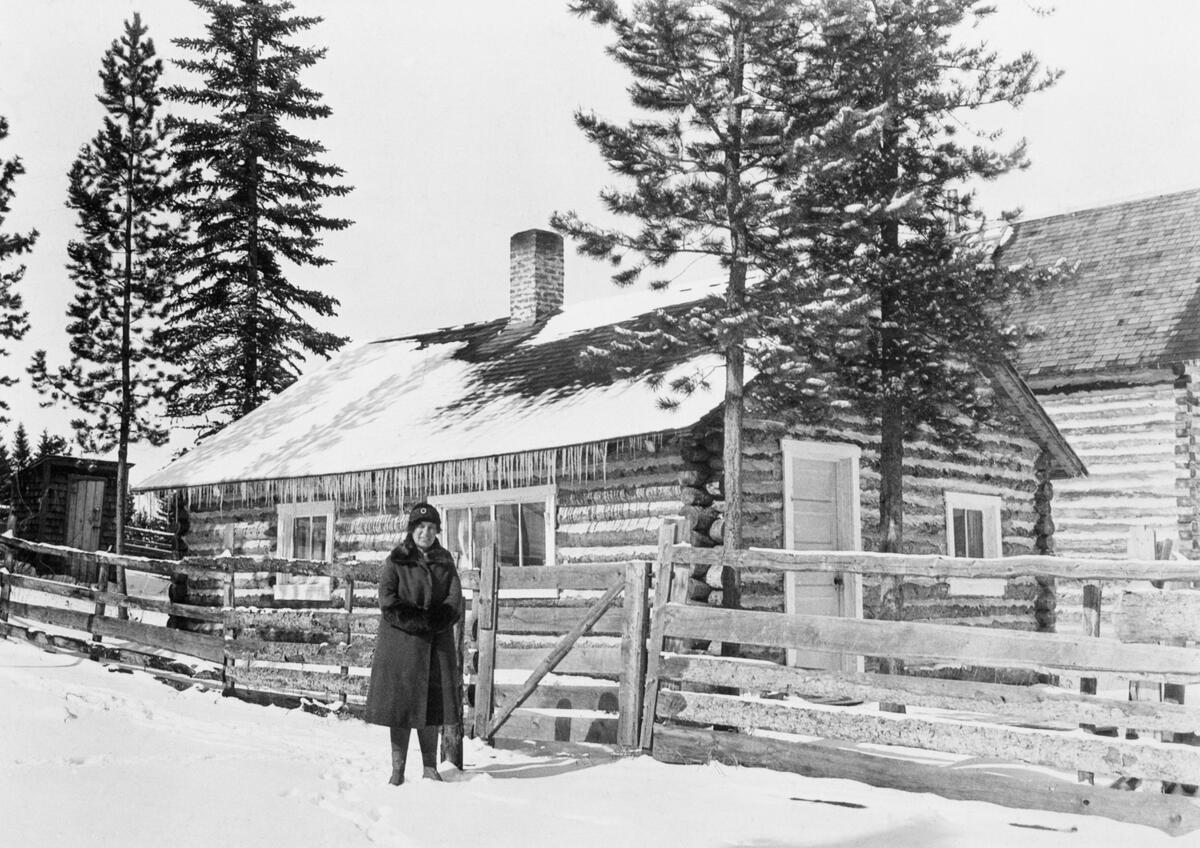
Image above: Nurses’ residence, Peers, Alberta [ca. 1928], by unknown (CU1105567). Courtesy of Glenbow Library and Archives Collection, Libraries and Cultural Resources Digital Collections, University of Calgary.
Image below: Foothills Health Unit nurse, Miss S.H. Ross looking through microscope during milk or water testing session. Museum of the Highwood, P999-046-002.

Date
- 12 Feb 2026
- Expired!
Time
- 3:30 pm - 5:00 pm
Location

Organizer
-
UGuelph Rural History Roundtable
-
Website
https://www.eventbrite.ca/o/uguelph-rural-history-roundtable-91527457533